Would you spend most of your monthly salary on a vinyl toy? What about dedicating an entire room—or even two—to shelves packed with limited-edition figurines, soft vinyl creatures, and blind boxes stacked so high you’ve lost count? In Singapore, the world of art toy collecting is booming, and so are the price tags. It’s a world where the “right” toy can jump from $13.90 to $2,000 in just a few years—and the wrong bet might have you stuck with a dozen plastic reminders of a passing trend.
The hype has grown so intense that regulators are now paying attention. In March 2026, the Ministry of Home Affairs said it will introduce blind box regulations by mid-2026 to mitigate gambling inducement risk and curb excessive spending. Until then though, the shelves are still filling, the queues are still forming, and collectors are still chasing the next drop.
In this edition of Priced Possessions, we meet 3 of Singapore’s quirkiest collectors: Allissa Yanwei, a self-described “ice kacang collector” and Labubu superfan who’s been at it for a decade; Wendy Huin, a rojak obsessive who dives deep when she finds something cute; and Desmond Lin, a visual effects veteran who sees toys as art and inspiration rather than just things to display.
Between them, they’ve amassed tens of thousands of toys—and even more stories about what’s really worth chasing, what isn’t, and what happens when the hype dies down. If you’re tempted to start your own collection—or just want to know why some toys are worth 4 digits—read on for 7 hard truths, straight from the people who know best.
Quotes and interview content have been edited for clarity and brevity.
[ms-toc title="7 lessons on money, passion and more from toy collectors in Singapore"]
1. Not all pricey toys are truly rare
Pop Mart blind boxes might be flying off shelves and showing up all over social media, but here’s what seasoned collectors know: just because a toy is popular or pricey doesn’t mean it’s rare—or will stay valuable in the long run. In the art toy world, the real heavyweights are limited-run, artist-driven pieces, not mass-market releases.
Art toys are usually limited runs created by artists, not mass-market brands. They’re often made from premium materials. As Allissa explains, when collectors use the term “art toy”, they usually aren’t referring to Pop Mart toys. “Pop Mart toys are currently more often made from plastic, whereas art toys are usually sofubi.”
Sofubi (short for “soft vinyl”) is a Japanese specialty, prized for its craftsmanship and feel. Allissa adds, “Most toy collectors will know the difference between art toys and plastic toys. There’s a big difference in terms of value too—art toys are more valuable than Pop Mart ones.”As for designer toys, this is the broader umbrella for toys with unique artistic input—sometimes overlapping with art toys.
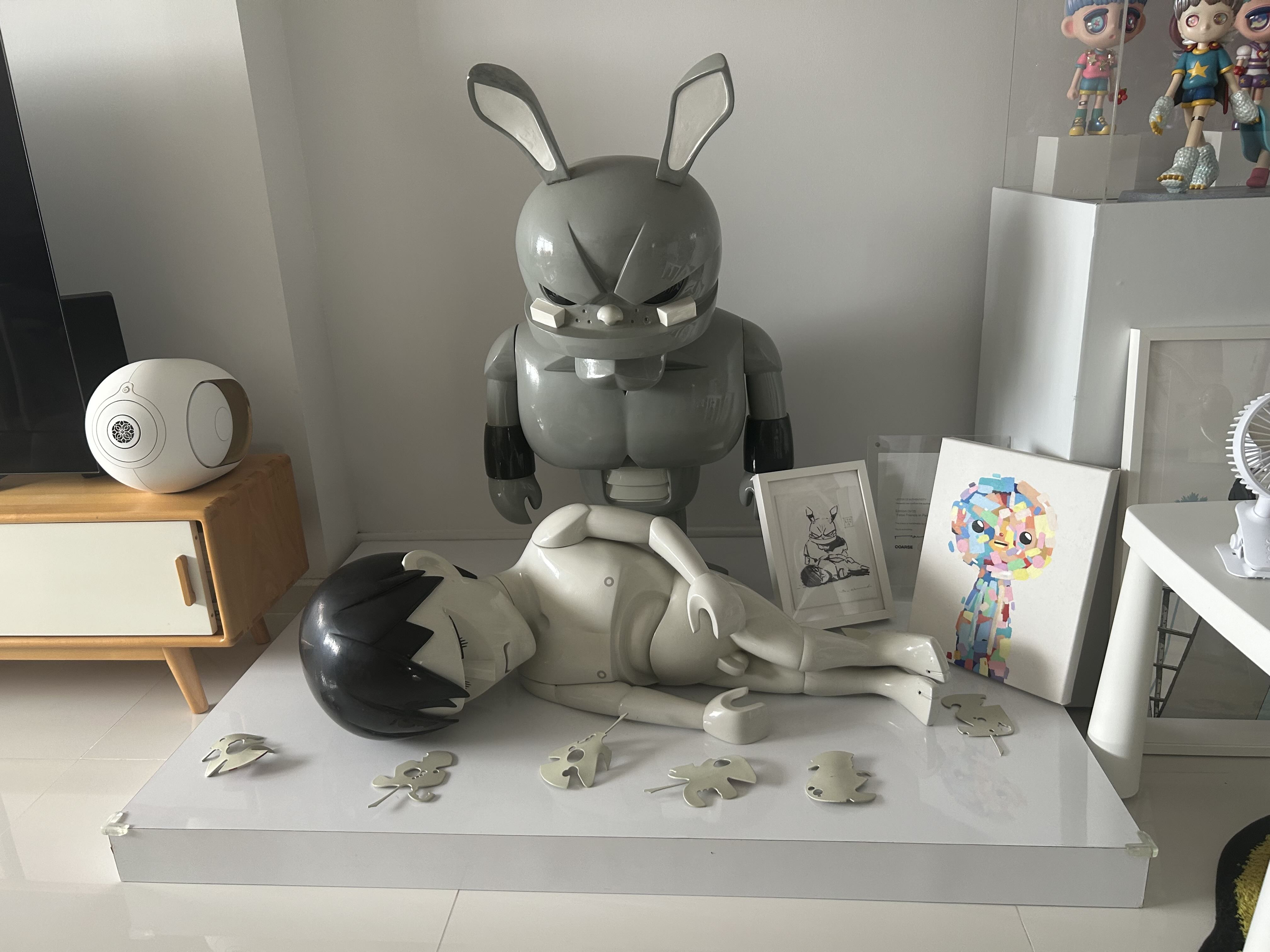
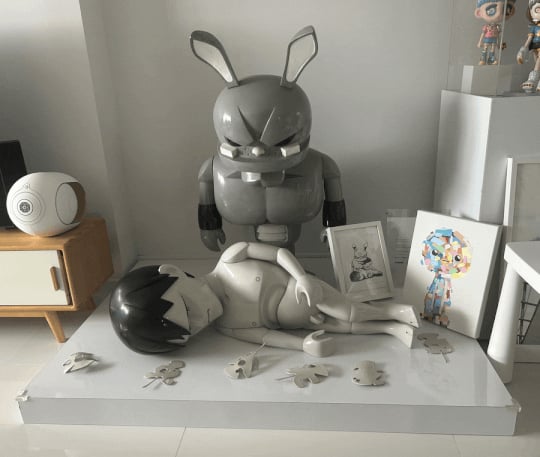
Desmond’s set of Coarse Toys False Friends in Pain, a limited-edition gallery piece. Pieces like this show you how some “toys” are art—and come with a price tag to prove it. Limited to just 25 pieces worldwide, this set will cost you an eye-watering 5-figure sum. Image: Vanessa Nah
Desmond sums up what matters: “the material that is used, the design, and the size of production—how many pieces of the toy are produced.”
So not every expensive toy is truly rare—and if you’re paying a premium, you’d better know what you’re getting.
2. Popularity is fleeting—rarity is king
In art toy collecting, scarcity is often what pushes prices into jaw-dropping territory. Limited runs, discontinued series, and event exclusives quickly become goldmines—until the next hype wave comes along. As Allissa shares, “when a series or that toy only comes out once for a limited run, the price will go very high after production stops.”
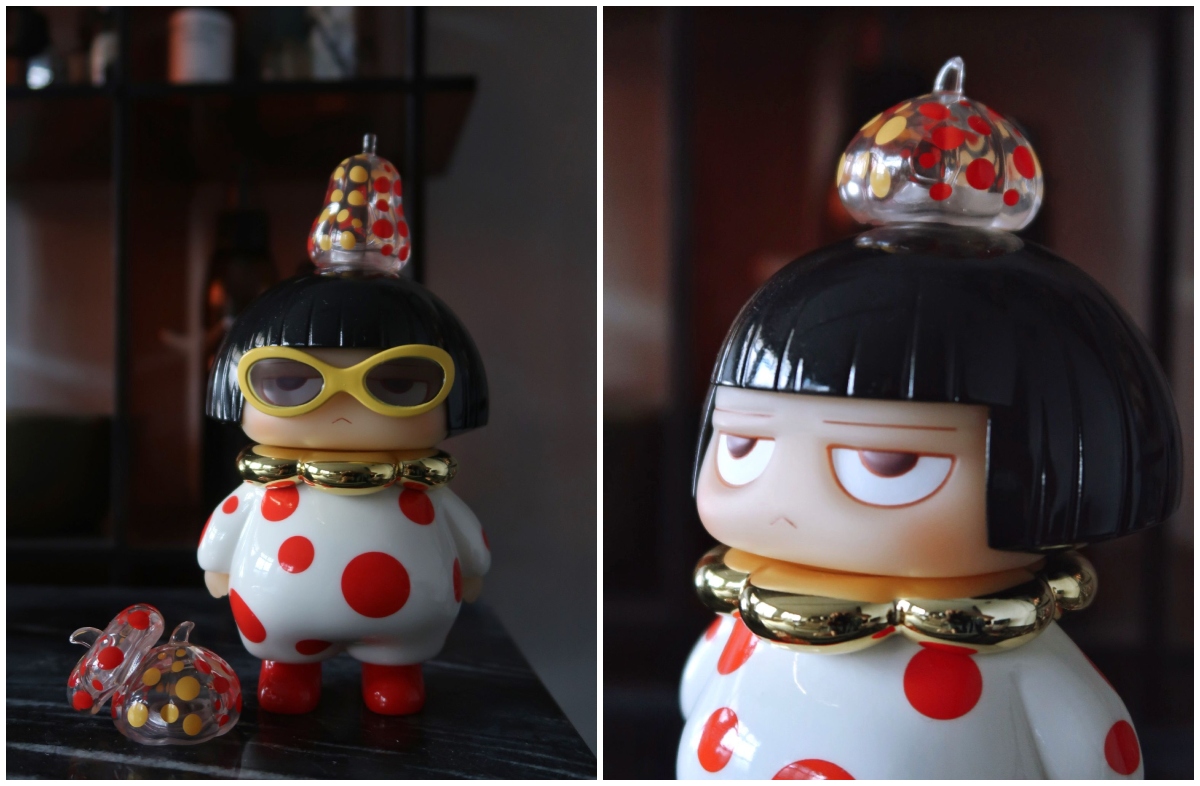
Poh Pumpkin v2 by One Little Planet. Image: Wendy Huin
Wendy’s story with the elusive Poh Pumpkin v2 from One Little Planet says it all: “In Nov 2022, the artist posted this Poh Pumpkin v2. V1 was a dream but it was really tough to get hold of,” she explains.
“Then Pop Toy Show (PTS) 23 came, but I was pregnant back then. Naively, I went on the last day and went straight to the One Little Planet booth the first thing—but of course it was already sold out!” Wendy laughs at the memory. Eventually, PTS 24 came along and in Wendy’s words “this time I ran!” She ran straight for the booth on the first day, and finally got hold of her Poh Pumpkin v2, which was limited to just 5 pieces that day.
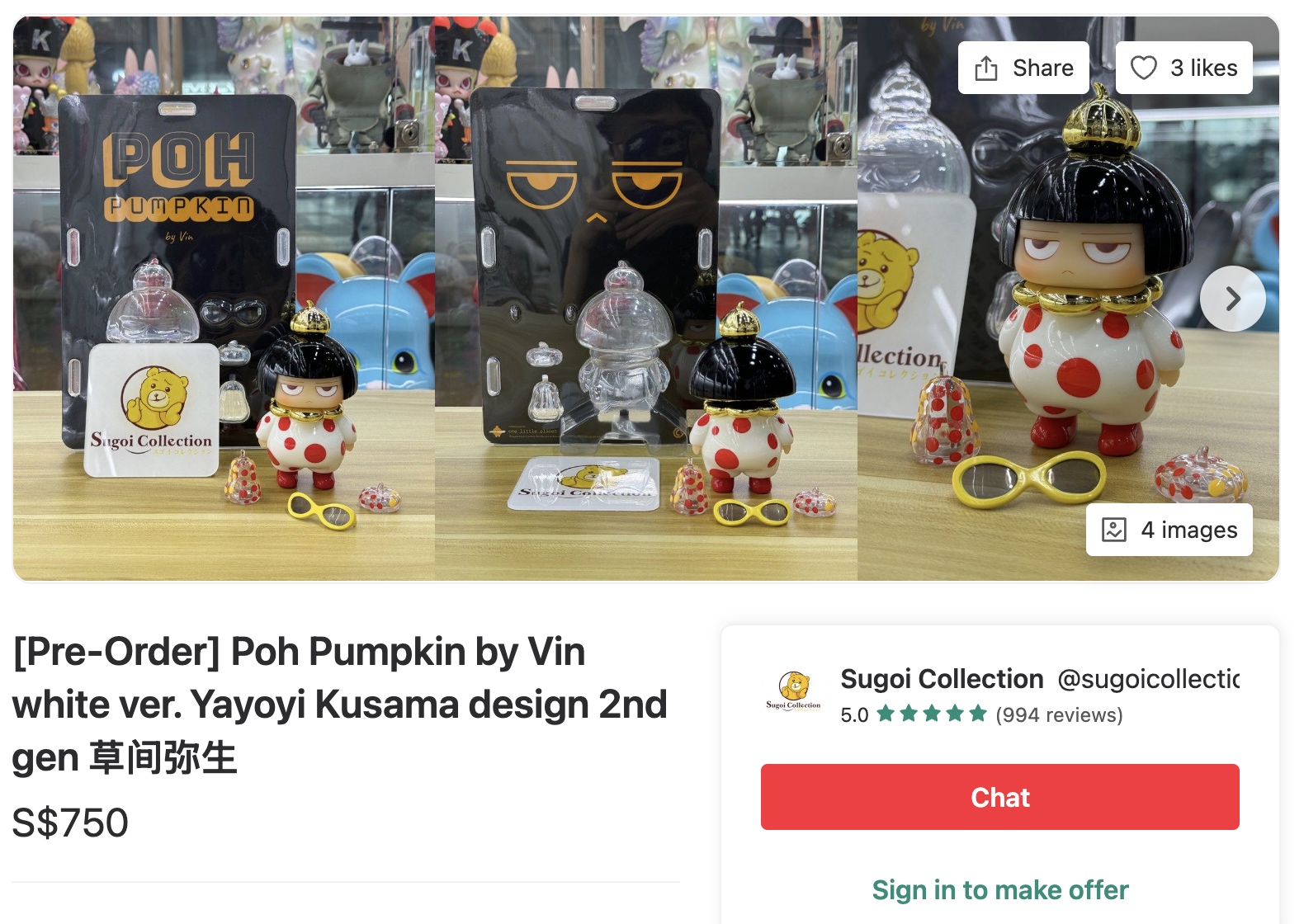
Image: Carousell
Wendy paid about $200 for her Poh Pumpkin, and it now resells for around $750 in Singapore—if you can even find one. These figures are so rare that even collectors “don’t know how rare it is”—Pop Mart (which runs the Pop Toy Show, or PTS) doesn’t release the number made. They simply bring a handful to each convention, and once they’re gone, they’re gone. As Wendy’s story proves, getting your hands on one is equal parts luck, timing, and persistence.
Wendy was passionate about her more niche Poh Pumpkin designer toy, but others buy into trends. Desmond warns that those chasing what’s hot often get burned. “Following a trend as a collector is a wrong way of collecting,” Desmond says. “I think they’ll be paying a very high price for something trendy that you might not really enjoy in the first place.”
In short: rarity is what drives prices up, but today’s must-have is often tomorrow’s forgotten shelf-filler.
3. Trends can make prices explode—or evaporate overnight
In the art toy world, hype moves fast—and so do the prices. When Labubu fever hit, resale values soared as collectors and resellers scrambled to buy up the latest drops, hoping to flip them for easy gains. But just as quickly, the bubble can deflate.
Allissa, an OG Labubu fan for the past decade, witnessed the Labubu boom first-hand: “After Lisa from Blackpink carried Labubu, everybody bought into the hype. But once the price dropped, it was very quick.” That price drop is real—on China’s resell platform Dewu, the latest Labubu 4.0 series plush toys fell about 30% in value (from their launch in late Aug 2025) as of Feb 2026, dropping to around 115 yuan ($16.30) each. While that’s still above the original 79 yuan retail price, some collectors have walked away, disappointed their hoarded toys no longer bring the big gains they expected.
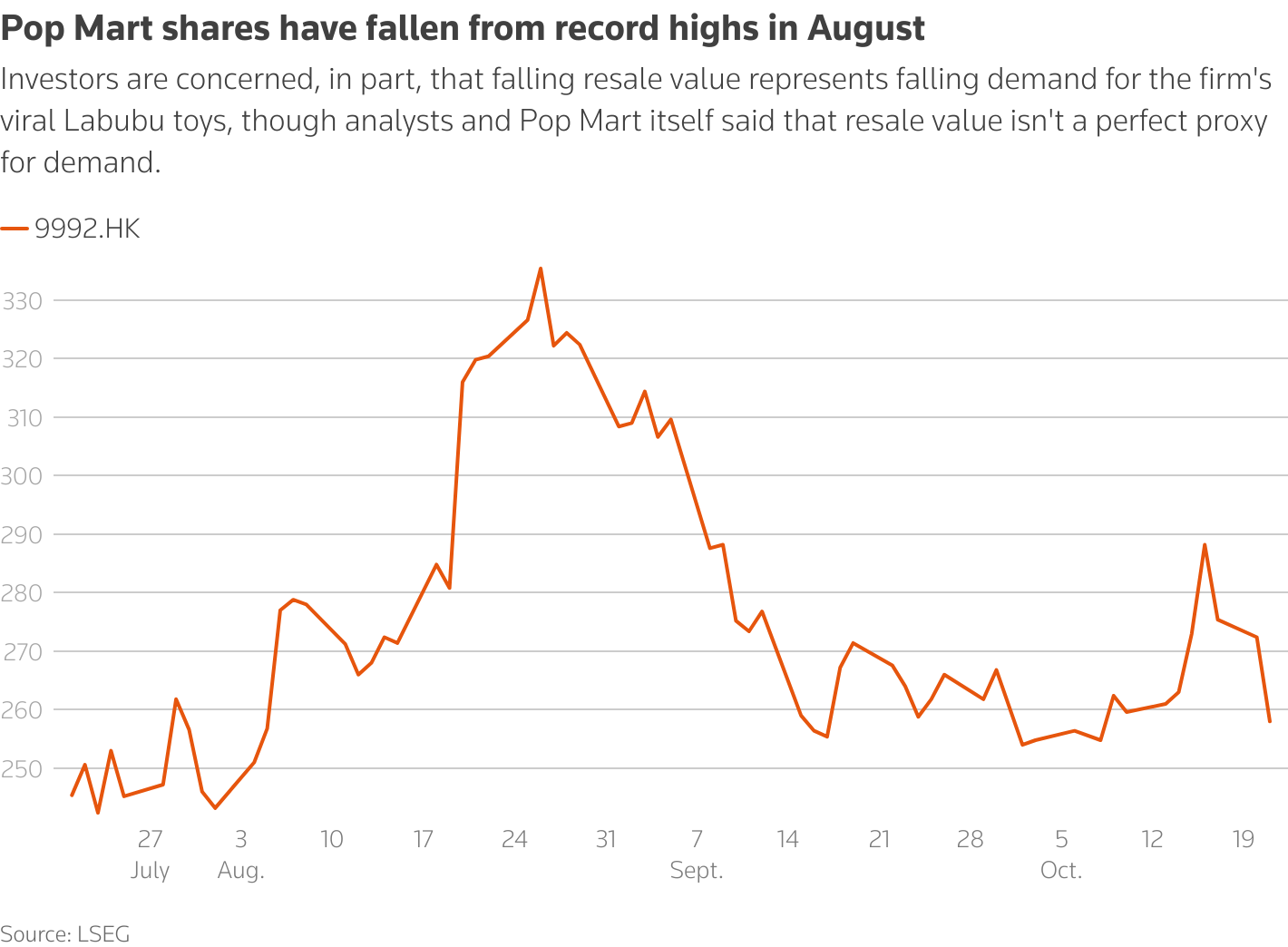
Image: Reuters
You can see this volatility on a much bigger scale too. As shown in the chart above, Pop Mart’s Hong Kong-listed shares fell sharply after peaking in Aug 2025, as investors worried that dropping resale prices for viral toys like Labubu signalled falling demand. Even analysts—and Pop Mart itself—caution that resale value isn’t always a perfect proxy for popularity.
The volatility isn’t just rattling collectors—it’s catching the attention of regulators. In March 2026, the Ministry of Home Affairs said it will introduce blind box regulations by mid-2026 to mitigate “gambling inducement risk” and prevent excessive spending. Measures being studied include age-based restrictions and probability disclosures.
In other words, what looks like harmless fun to some is starting to look like behavioural risk to policymakers.
Hard truth: If you’re chasing trends for profit, be ready for a wild (and sometimes costly) ride.
4. The market has a dark side: fakes and flippers
For every hype wave, there’s a downside that every collector dreads—fakes flooding the market, and resellers (“flippers”) driving up prices for genuine fans. In the art toy scene, especially when an IP gets popular, counterfeits can be nearly indistinguishable from the real thing.
Allissa knows this all too well: “Now there are a lot of fakes, and those sellers price them at the same price as the real ones.” She adds, “when newer collectors who aren’t as experienced start off, they will probably have a hard time telling the fakes apart.” Even her own mother got fooled. The purple Labubu on the left below is a counterfeit one that Allissa’s mum caught in a claw machine in an arcade, while the one on the right is an authentic Labubu Allissa bought from Pop Mart and unboxed in front of me.
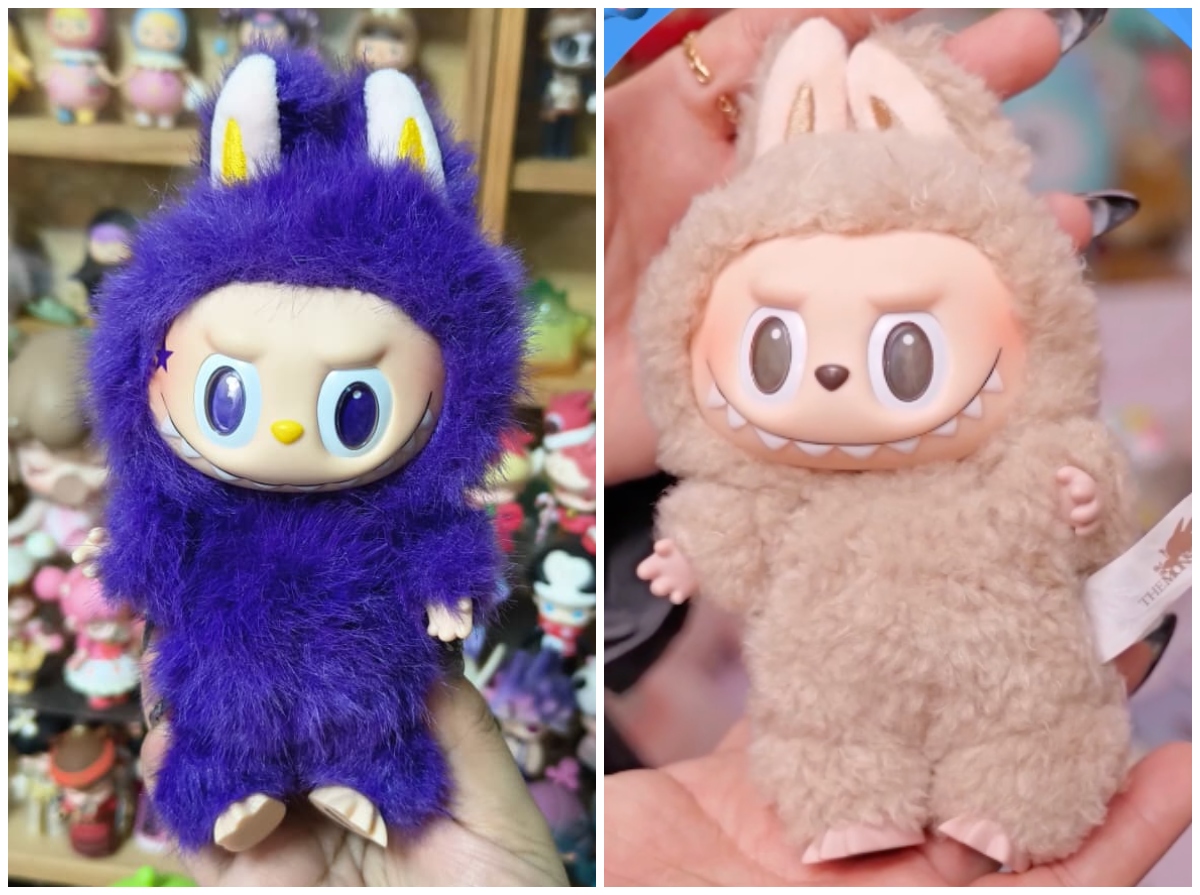
Image: Allissa Yanwei
To the untrained eye, they’re almost indistinguishable. But Allissa shares some tips for telling them apart: “You can twist the head. If the head is super easy to twist, it’s not authentic. Then look at the body proportions—if the body is longer or shorter than usual, that’s another sign.” Allissa’s final tip for sniffing out a fake is to use your sense of touch: counterfeit Labubus don’t have the same soft plush fur as the authentic ones.
Aside from fakes, there are also flippers—those who buy up stock just to resell at inflated prices. This group of toy “collectors” doesn’t make it easier for real collectors. As Wendy laments, “it’s sad for collectors like us. We truly enjoy collecting toys and appreciate them. We don’t want to see people snatching toys just because they want to make a profit from them.”
It’s a hard truth: As hype grows, so do scams and opportunists—making knowledge (and a sharp eye) essential for any collector.
5. At some point, you won’t want to know what you’ve spent
In toy collecting, it starts with a $13.90 blind box, but somewhere along the way, the numbers get out of hand—and most collectors develop expert-level avoidance tactics. The real price tag of a collection isn’t just shocking; it’s something many would rather not face.
Allissa, who estimates she has “maybe near 9,000” toys just in her current home, is upfront: “how many toys do I have? That’s a very hard question, because it’s one I also don’t want to face,” she laughs.
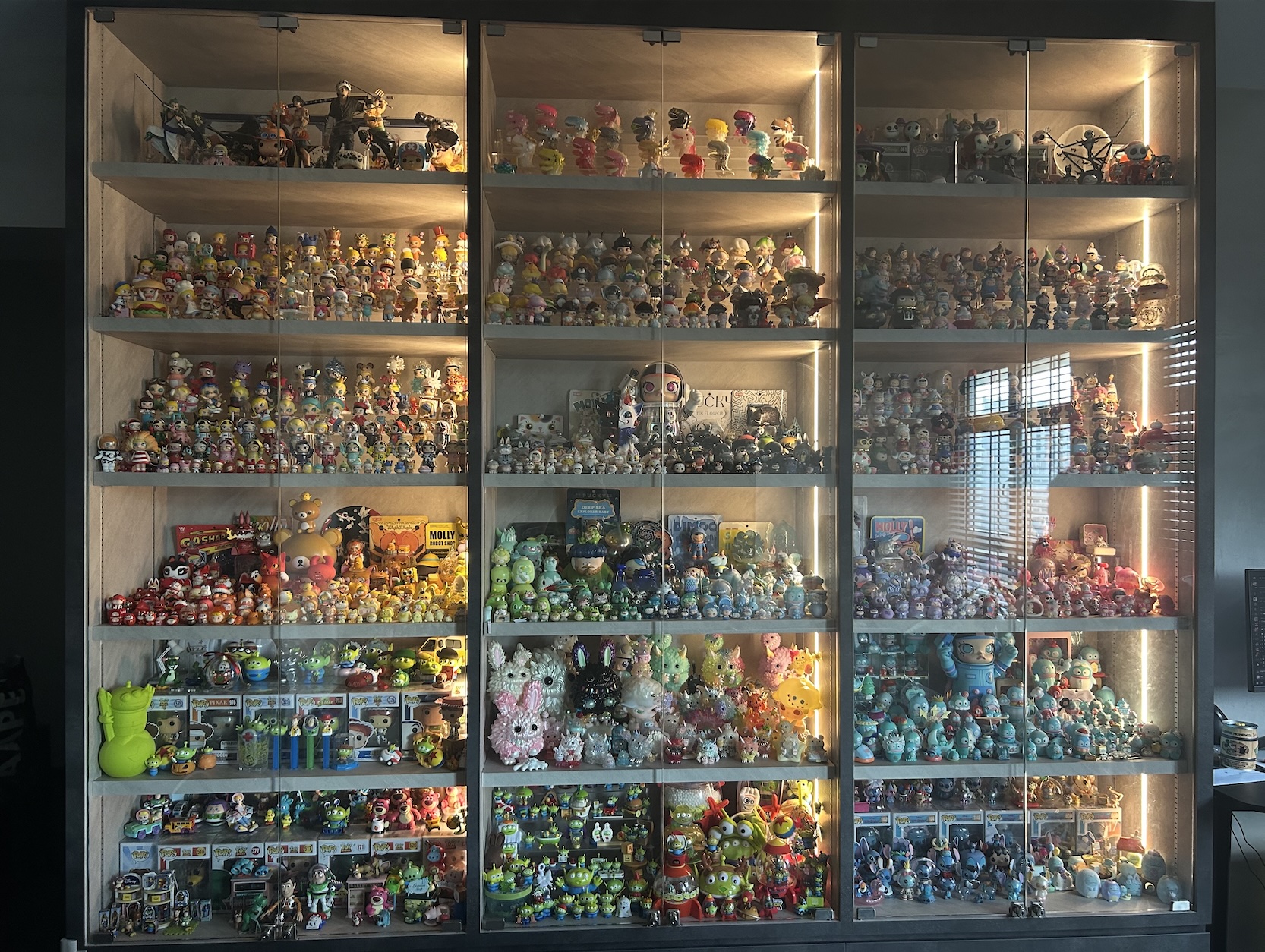
Wendy’s wall of toys in her living room. Image: Vanessa Nah
Wendy feels the same. When pressed about her collection’s total value, she admits, “to be honest, I have no idea.”
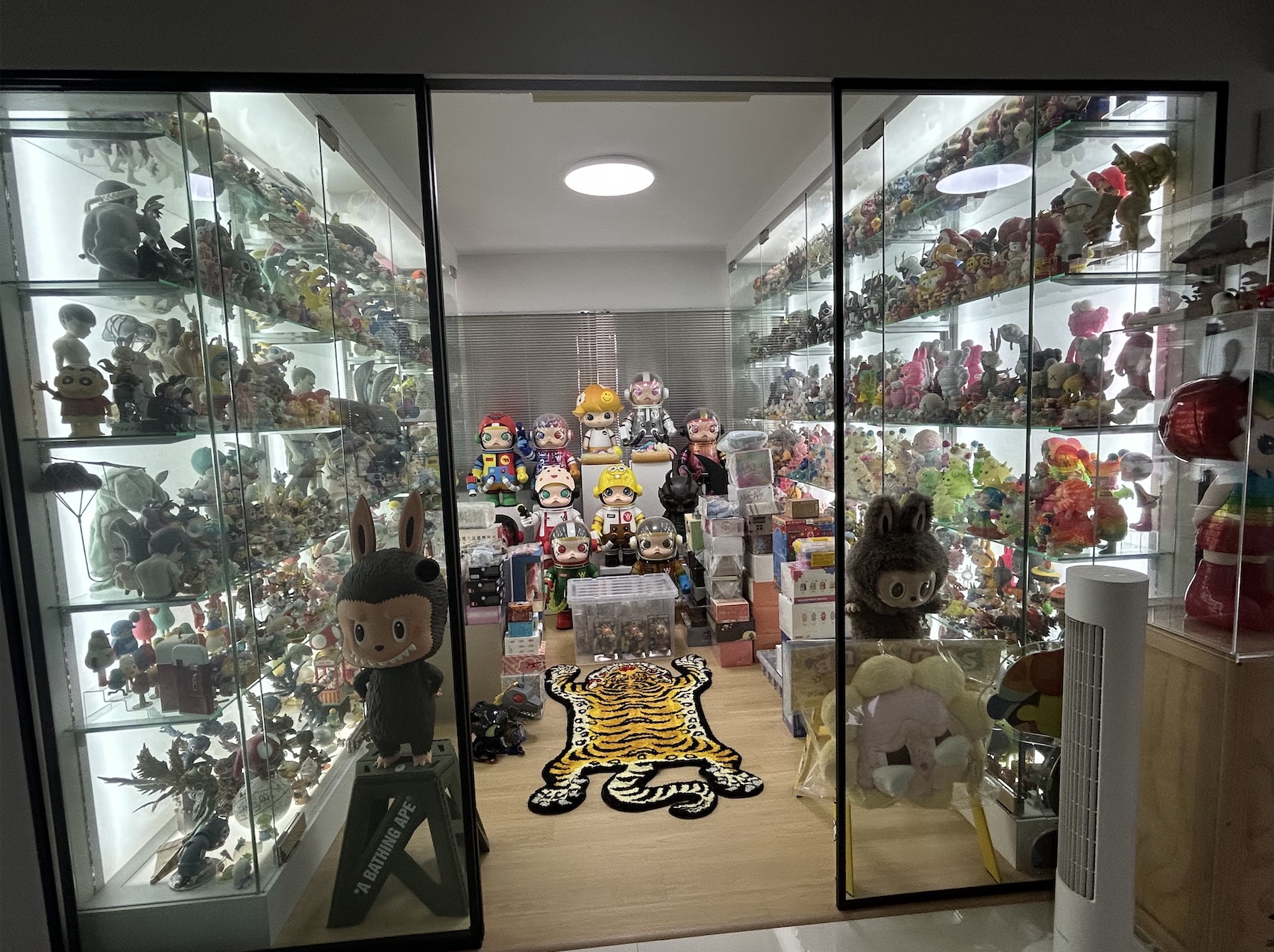
Desmond’s room dedicated to his toy collection. Image: Vanessa Nah
Even Desmond, who has an entire room of toys and owns a gallery piece with a 4-digit price tag, has given up on counting: “I have no idea. I tried to keep track in the early days… but at some point the buying became too fast to record. I don’t have an estimation for my collection.”
Maybe it’s denial, maybe it’s self-preservation. Either way, every collector reaches the point where it’s safer for the heart (and the bank account) to stop counting.
But after spending hours with these collectors, it struck me that their shelves didn’t feel excessive or chaotic. Instead, every wall, display, and box was filled with a kind of purposeful joy—commensurate with the passion each collector exuded. That’s the key: it’s not about hoarding for its own sake, but about celebrating something they truly love. Sometimes, what you don’t know can’t hurt you—or your wallet.
6. You don’t just need money—you need space (and maybe insurance)
No matter how much you budget, nothing prepares you for the moment your collection outgrows your shelves—and then your spare room. Space isn’t just a nice-to-have; it’s a non-negotiable cost of collecting at scale. When asked if she’s reached her limit, Allissa laughs and admits, “now I’ve started to control it. I already had no space already.”
As for Wendy, as a former visual merchandiser, her neat rows of toys actually look extremely pleasing to the eye—they sure caught mine straightaway. But she too admits her home is at capacity, with toys lying shelves upon shelves and even sitting above the kitchen sink: “I try, but as it is it’s kind of bursting already. I collect too many lines.” She resells toys if she gets duplicates in blind boxes, and also has a stash in her storage room she keeps hidden to keep the rest of her home neat.
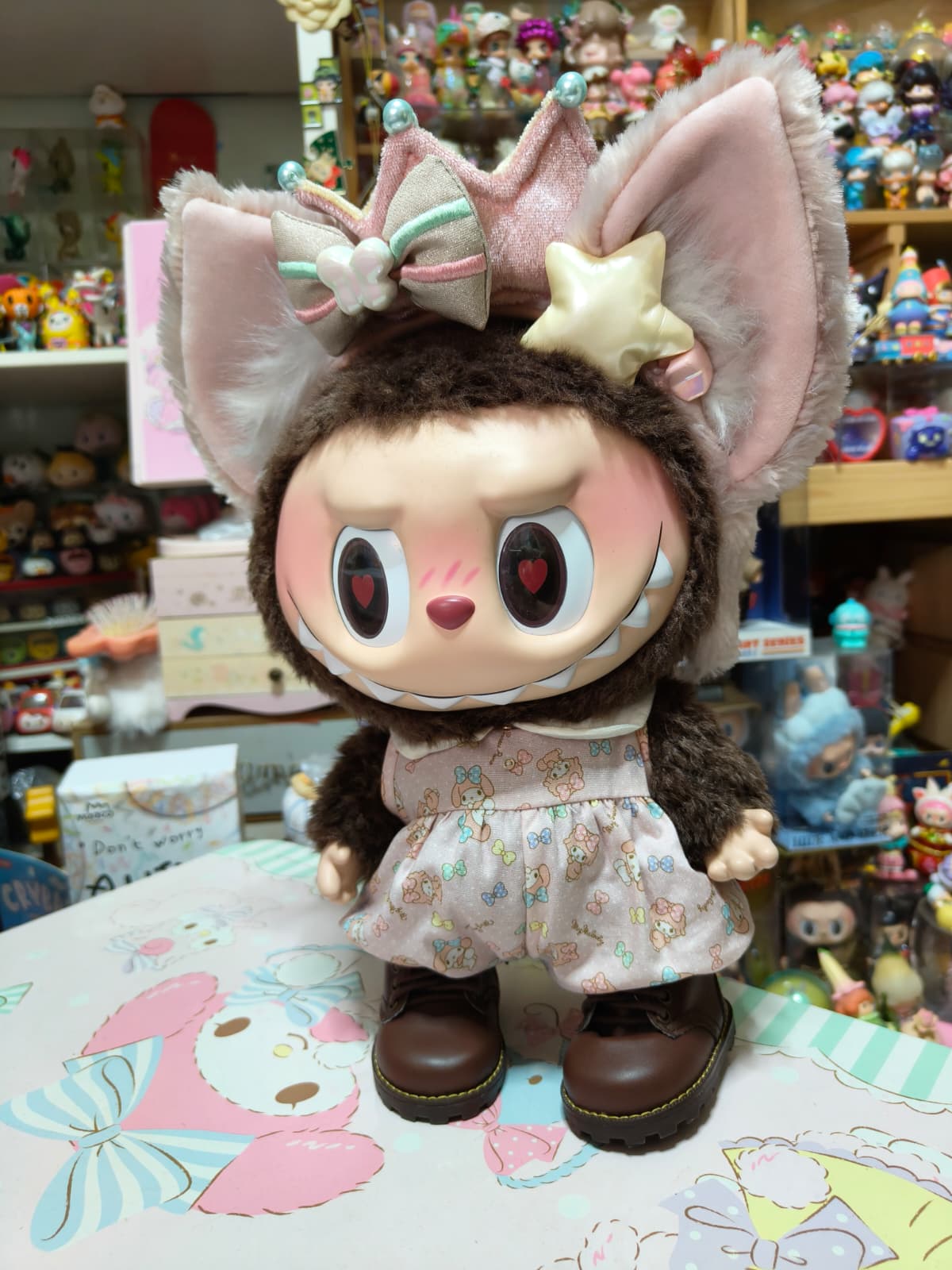
Allissa’s The Monsters Catch Me If You Like Me “secret” piece, which retails at $129.90. Image: Allissa Yanwei
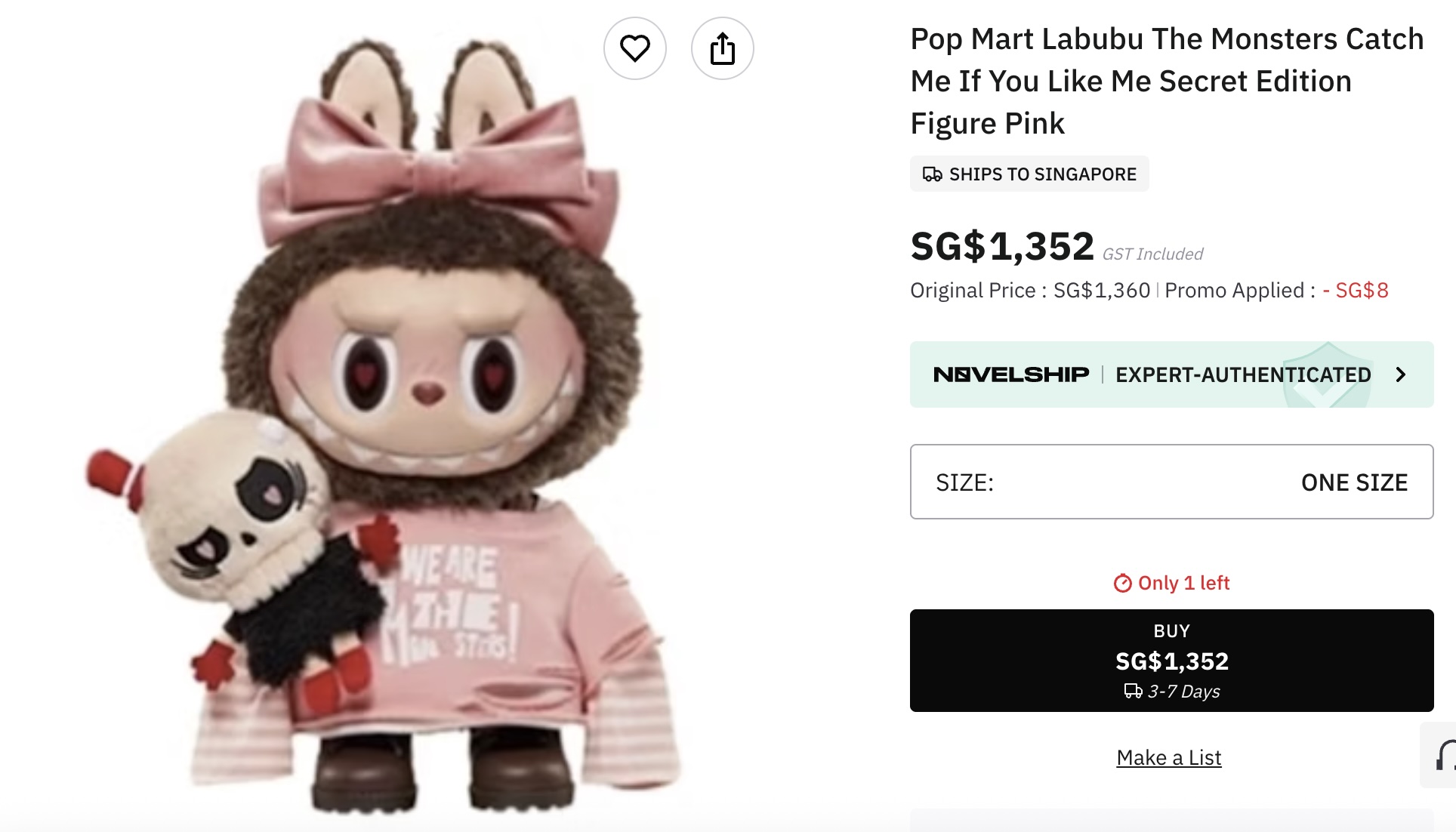
Allissa’s $130 buy now retails for over $1,300. Image: Novelship
Then there’s insurance. For most, home contents insurance is the default—if it’s considered at all. Desmond explains the challenge: “when you have too many things, they can’t individually price every single item. So it's very hard to estimate the worth.”
There’s no guarantee that home insurance would be able to adequately cover these toys, if it does at all. So touch wood, may no harm befall these 3 collections. When I asked Allissa what would happen if her collection were to go up in flames, she said exactly that—it would simply all go up in flames.
7. Art toys aren’t stocks—the best returns are emotional
If you’re in it for profit, prepare for disappointment. For the collectors we spoke to, the real value of art toys isn’t measured in dollars and cents—it’s in inspiration, nostalgia, and the small moments of happiness each piece brings.
Desmond makes his stance clear: “It’s a hobby, right? It should be something that you enjoy doing. And I don’t do it for the money, because I can earn money in many ways.” He makes it clear that he believes treating art toys as investment vehicles isn’t the way to go: “Because there’s a lot of uncertainty, you might lose money at some point of time anyway. So I don’t think that’s the right route if you think of it from a money point of view.”
Wendy agrees: “It’s kind of a trend also that some people see toys as an investment. But I think this ‘investment’ doesn’t really last anyway because it might die down with trends as well.”
And for Allissa, the point of collecting is simple: “To me, the value of toys won’t last for long. I don’t buy my toys to sell them. So to me even if the price drops, it’s not an issue.”
And so we have a consensus: The best returns aren’t financial. The joy is in the collecting, not the cashing out.
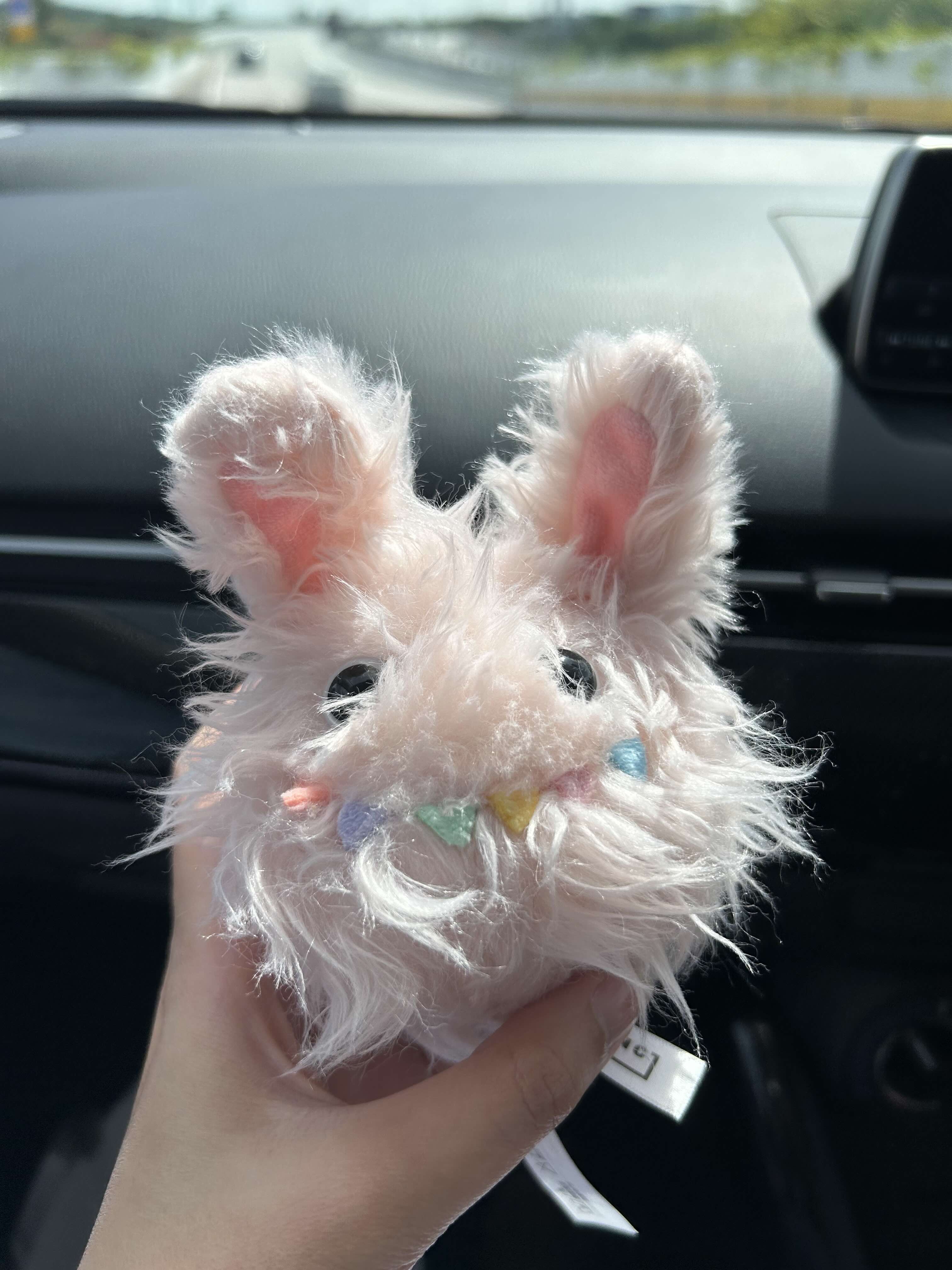
At the end of our session, Wendy gave me this pastel pink Instinctoy Flappy Plush—a parting gift with candy-coloured teeth and a surprising amount of personality. Proof that even in the world of collecting toys worth potentially 5-figures, it’s the fundamental joy of toys that matters most.
This article was first drafted with the help of AI and later reviewed and refined by the author.
Liked this article? Share the joy of toys with your family and friends!
Related Articles