
Can you believe Chinese New Year is almost here? Beyond the sea of red decorations and festive tunes popping up everywhere, there’s one surefire sign that it’s nearly time to huat: banks have just announced how you can get your hands on those fit-for-gifting ang bao notes. But that’s not all—this week’s updates cover everything from rising transport costs and wallet-friendly Japan getaways to record-breaking market moves and the latest in grocery trends. Here’s what’s making waves in Singapore’s money scene right now.
TLDR;
|
Psst, missed last week’s issue? View all past editions of What’s Happening This Week? to catch up.
[ms-toc title="Issue #57: What's Happening This Week?"]
Booking of CNY hongbao notes starts 27 Jan: What you need to know

Chinese New Year prep just got easier—if you’re hoping to snag fresh notes for your angbaos, online booking with DBS, OCBC, and UOB opens on 27 Jan 2026. Collection starts from 3 Feb 2026 at bank branches and selected ATMs. Walk-ins are only for those aged 60+ or with disabilities.
Here’s what’s new this year:
- More ATMs:
- DBS/POSB: 71 pop-up ATMs at 47 spots
- OCBC: 25 ATMs, with 5 dedicated to “fit-for-giving” notes
- UOB: 34 ATMs at 17 locations
- Sustainability push:
- MAS is urging Singaporeans to pick “fit-for-giving” notes (clean, used notes) or try e-hongbao.
- Last year, 16 million fit notes were exchanged—saving emissions equal to powering 280 HDB flats!
- 2 in 3 say they’re happy to get fit notes.
Perks & prizes:
- DBS/POSB users: Send an $8+ digital gift and keep withdrawals under $500 to join a lucky draw for up to $2,828 or a Prosperity Horse Medallion Set.
- New QR code red packets are available for digital gifting.
ALSO READ: CNY Ang Bao Guide in Singapore (2026): Ang Bao Rates, Where to Get Notes, And More
$60 public transport vouchers available for lower-income households as fares rise
Lower-income households in Singapore can now apply for public transport vouchers worth $60 to help offset rising commuting costs. The move comes as adult card fares increased by 9–10 cents per journey from 27 Dec 2025, following a 5% fare hike across the board.
What you need to know:
- Voucher details:
- Each eligible household gets a $60 voucher (valid till 31 Mar 2027).
- Applicants must have a monthly household income per person of $1,800 or less.
- Applications can be made online or at community centres (for those who didn’t receive one in the mail).
Fare changes at a glance:
User Group | Card Fare Increase (from Dec 2025) |
Adults | 9–10 cents per trip |
Students/Seniors | No change for first 3.2km, then up 3–4 cents |
Express bus (adults) | 49–50 cents per trip |
Cash fares (adults) | 20 cents per trip |
- Monthly passes for adults, seniors, and concession holders see up to a 5% reduction.
- This year’s fare increase (5%) is lower than last year’s (6%).
The vouchers aim to cushion the impact of these higher fares, making daily transport more manageable for those who need it most.
Gold hits record high as Greenland crisis deepens
Gold prices have soared above US$4,800 per ounce for the first time, fuelled by growing worries over the Greenland crisis and instability in Japan’s government debt. Both situations are making investors uneasy, so many are seeking “safe havens” like gold and silver, with silver also close to its all-time high.
What’s driving the surge?
- Geopolitical tensions:
- US President Trump is pressing to take control of Greenland, prompting strong opposition from European leaders.
- A potential trade war is brewing, as the US threatens tariffs on Germany, France, and Britain.
- Financial market jitters:
- Japan’s government debt troubles are making headlines, raising concerns about the stability of major economies.
- Investors are moving away from traditional assets, like currencies and bonds, due to fears of “debasement” (when a currency loses value).
Several key factors are behind this surge in gold prices. The ongoing crisis in Greenland has pushed more people towards gold as a traditional safe haven, while uncertainty around Japan’s government debt has made markets uneasy. On top of that, fears of a trade war—sparked by US threats of tariffs on European countries—are adding to the market volatility. Taken together, these events are driving investors to look for stability in assets like gold, reflecting a broader sense of global financial uncertainty.
Note: Gold’s rally reflects global uncertainty, not a recommendation to invest in precious metals.
Japan’s 2026 sakura season: Most affordable in years for Singapore travellers
If you’re dreaming of cherry blossoms in Japan, 2026 might be the year to go. Prices for flights, hotels, and tours have dropped by 10–20% compared to last year, especially in hotspots like Kyoto and Osaka. The strong Singapore dollar against a historically weak yen is stretching travel budgets even further.
Why is it cheaper this year?
- Fewer Chinese tourists:
- China has cut flights to Japan, leading to less demand and softer prices.
- Major cities have seen cancellations and lower revenue for hotels and tours.
- Competitive deals:
- Example: A 16-day sakura tour that cost US$4,850 in 2025 now goes for US$3,783—a 22% drop.
- Better availability:
- Popular hotels are easier to book, even close to the travel date.
Key sakura season info:
City | Forecast bloom | % price drop |
Tokyo | 20 Mar 2026 | 10–20% |
Osaka | 24 Mar 2026 | 10–20% |
- Tourists are booking alternative spots (like Okinawa and Hokkaido) or travelling outside the peak to avoid crowds.
- Visitors report a more relaxed experience at famous sites due to fewer large tour groups.
2026 looks set to be an affordable and pleasant time to catch the cherry blossoms in Japan.
ALSO READ: Japan Travel Visa: Requirements, Costs, and Tips (2026)
COE premiums climb in latest bidding: Category A crosses $109,500
COE premiums in Singapore rose in most categories after the latest bidding exercise on 21 January, with prices for Category A cars (up to 1,600cc and 97kW) jumping to $109,501—an increase of $7,492 from the previous round.
At a glance: COE results (21 Jan 2026)
Category | Premium (This round) | Previous round | Change |
Category A (small cars) | $109,501 | $102,009 | +$7,492 |
Category B (large cars) | $121,634 | $119,100 | +$2,534 |
Category C (commercial) | $75,202 | $75,503 | –$301 |
Category D (motorcycles) | $8,860 | $8,689 | +$171 |
Category E (open) | $120,891 | $122,000 | –$1,109 |
- A total of 4,979 bids were submitted for 3,224 available COEs.
- Category B (larger/more powerful cars) and motorcycles also saw premiums rise, while commercial vehicles and open category COEs dipped slightly.
- The price climb comes soon after the Singapore Motorshow, with car buyers reacting to new models on the market.
The sustained high prices underscore the ongoing challenges for car ownership affordability in Singapore.
foodpanda’s new XL stores and report reveal smarter, more value-focused grocery spending
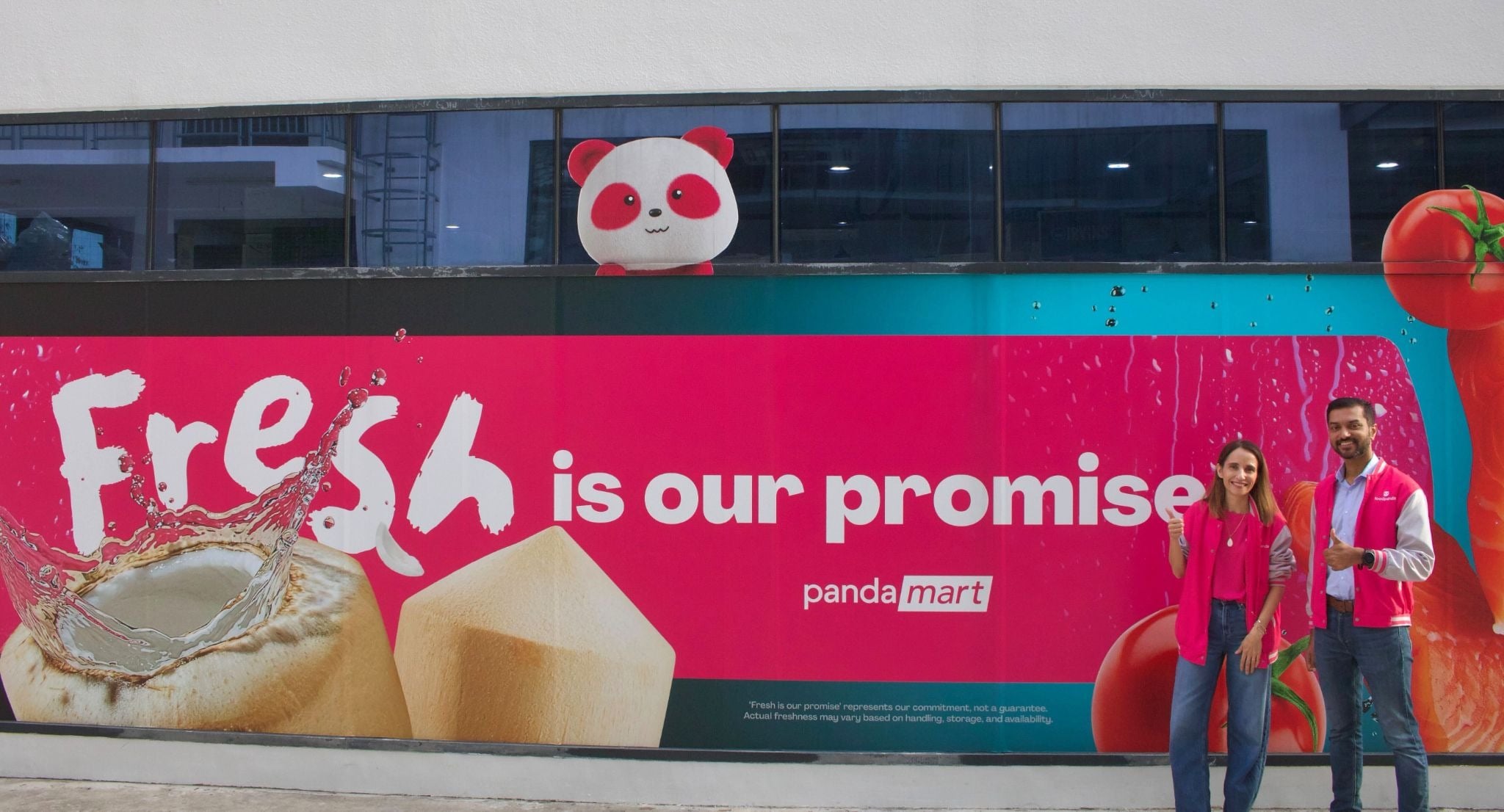
Image: foodpanda
foodpanda is responding to Singaporeans’ sharper focus on value by launching larger “pandamart XL” stores, aimed at making bulk grocery shopping more cost-effective. According to foodpanda’s inaugural Kiasu Pasar Report, financial savviness is reshaping the way people shop for essentials.
Key highlights:
- Bigger baskets, smarter savings:
- There’s been an 8% rise in the average number of items per order (2024–2025), as shoppers shift to restocking pantries rather than grabbing last-minute top-ups.
- One in two orders now includes housebrand products, with more Singaporeans looking for the best value.
- “pandapro” subscribers are taking the savings further—placing 18% more orders and saving 30% more, on average, compared to regular users.
- Festive promotions:
- From 19 Jan to 22 Feb 2026, shoppers can enjoy up to 58% off festive groceries, with weekly “Super Huat” deals on essentials like drinks, steamboat ingredients, prawns, and abalone.
- PRO members get an extra 5% off on selected items from Cold Storage and Giant—sometimes beating in-store prices.
ALSO READ: Best Credit Cards for Groceries
Longbridge Securities: World’s first pre-market U.S. options trading now available

- Lifetime 0 Commission for SG, US & HK stocks
- S$0 Commission Fee
- World's First Brokerage with US Pre-Market Options
- US Pre-Market Options
- Your Financial Strategist Powers by GPT
- Longbridge AI
[FLASH DEAL | MoneySmart Exclusive]
Receive rewards up to 10% of your deposit amount including:
• Up to S$388 Cash via PayNow
• OR S$450 Shopee Voucher
• OR Sony WH-1000XM5 Headphones (worth S$589)
or many more rewards when you open, fund & trade with Longbridge Securities*. T&Cs apply.

Longbridge Securities has announced a new feature for investors—users can now trade U.S. stock options before the regular market opens, thanks to the world’s first pre-market U.S. options trading platform. This means access to major stocks and ETFs like QQQ, SPY, AAPL, and TSLA as early as 5pm Singapore time, well ahead of Wall Street’s opening bell.
What makes this launch notable?
- Extended trading window:
- Pre-market options trading is open from 5 pm to 1030 pm SGT (4 am to 9 am Eastern Time).
- Previously, such trading was only possible during regular U.S. market hours.
- Wider accessibility:
- The feature aims to help global users respond more quickly to overnight news and events.
- Major stocks and ETFs are covered, with more to be added.
- Zero commission and platform fees (for now):
- Users won’t pay commission or platform fees for pre-market trades during the launch period (terms apply).
Longbridge says this move is part of a larger trend towards more flexible, round-the-clock trading. The company also highlights its AI-powered financial assistant to help users understand market developments and navigate the new platform. As with all options trading, risks can be significant and not all features are suitable for every investor. Full details and terms are available on Longbridge’s website.
New index spotlights Singapore’s top 300 employers for pay and career growth
A new Singapore Opportunity Index has identified 300 employers that stand out for supporting career advancement, fair pay, and worker retention. Developed by the Ministry of Manpower, the index draws on government-verified data from 1,500 firms and a million residents, going beyond surveys to rank companies on objective factors like promotions, wage growth, hiring practices, and gender parity.
How are firms ranked?
- Key criteria include:
- Career progression: frequency of promotions, advancement within and beyond the company.
- Pay: wage growth over time, and how salaries compare to industry norms.
- Hiring: openness to skills-based hiring, not just qualifications.
- Retention: how many employees stay for at least a year.
- Gender parity: equal promotion and pay rates for men and women.
Top employers named
Recognised organisations range from local SMEs to global firms and public sector agencies, including Rainbow Centre, Murata Electronics, SATS, SP PowerGrid, PwC, and the Economic Development Board.
The index also groups companies by three models—“career launchers” for those starting out, “career builders” for mapping success paths, and “career anchors” for job stability. The findings aim to give jobseekers greater transparency and help employers benchmark their people practices for a more competitive and equitable labour market.
That’s it for this week! Stay tuned for next week’s What’s Happening This Week to keep up with the latest in finance, business, and beyond.
This article was first drafted with the help of AI and later reviewed and refined by the author.
Related Articles