When it comes to buying a build-to-order (BTO) flat, everyone’s first—and sometimes only—priority is location, and rightfully so. After all, “location, location, location” is the golden rule of property, and you’ve probably debated it with friends who swear by “east side best side,” “west side back side,” or those like me who quietly love living in the northern wilderness.
But once you’ve pledged your allegiance to your chosen side of Singapore, another big decision looms: which unit should you pick? Not all units are created equal, and the right choice can make a surprising difference to your daily comfort, flexibility, and even future resale prospects. Here are 5 essential considerations you don’t want to miss before you lock in your selection.
[ms-toc title="5 factors to consider when selecting your HDB BTO unit"]
1. Flat classification
Before you even think about which block or which view you want, get clear on your flat’s classification. This isn’t just a paperwork detail—it affects your flexibility, your future resale profits, and even whether you can rent out your flat later.
BTO flats now fall into 3 main categories: Standard, Plus, and Prime. Here’s the key difference:
- Standard flats are the most flexible and fuss-free, with fewer restrictions after you meet the MOP.
- Both Plus and Prime come with similar restrictions (longer MOP, subsidy clawback, and rental limits), but Prime flats receive the most subsidy—so they also come with the highest subsidy recovery when you sell.
How Standard, Plus, and Prime flats differ
Feature | Standard | Plus | Prime |
Subsidies | Significant market discounts | More subsidies than Standard | Most subsidies |
Subsidy recovery upon resale (clawback) | No | Yes (lower than Prime) | Yes (highest) |
Minimum Occupation Period (MOP) | 5 years | 10 years | 10 years |
Resale allowed after MOP | Yes | Yes, but with tighter conditions (read more below) | Yes, but with tightest conditions (read more below) |
Renting out whole flat | Allowed after MOP | Not allowed | Not allowed |
Renting out spare rooms | Allowed (3-room or bigger) | Allowed (3-room or bigger) | Allowed (3-room or bigger) |
Plus and Prime flats may be harder to resell
An overlooked issue is that Plus and Prime flats come with income ceilings even in the resale market, which can shrink your pool of future buyers.
For resale Standard flats, there is no income ceiling.
But for resale Plus and Prime flats, buyers must meet these income caps:
Flat type | Income ceiling (resale Plus/Prime flats) |
2-room Flexi flat | $7,000 |
3-room flat | $14,000 or $7,000 (depends on project—HDB will specify in the sales launch press release) |
3-room flat (extended or multi-generation family) | $21,000 (for projects with the $14,000 ceiling) |
4-room and bigger flats | $14,000 |
4-room and bigger flats (extended or multi-generation family) | $21,000 |
This means that even if your flat is in a great location, fewer households will qualify to buy it, which could affect resale demand down the road.
Remember, classification is the one factor you cannot renovate, negotiate, or “fix” later—that’s why it’s number 1 on our list of factors to consider. Make sure you understand the rules upfront, especially if flexibility, upgrading, or rental options matter to you.
ALSO READ: HDB BTO Feb 2026 Review: Expected Application Rates, Resale Values, Amenities, and More
2. Distance to amenities
Your flat’s location within the estate can make daily life far more convenient—or more stressful—depending on how close you are to key amenities. Being near the MRT, food centres, schools, or carpark is a huge time-saver, especially for busy families or anyone who values easy access.
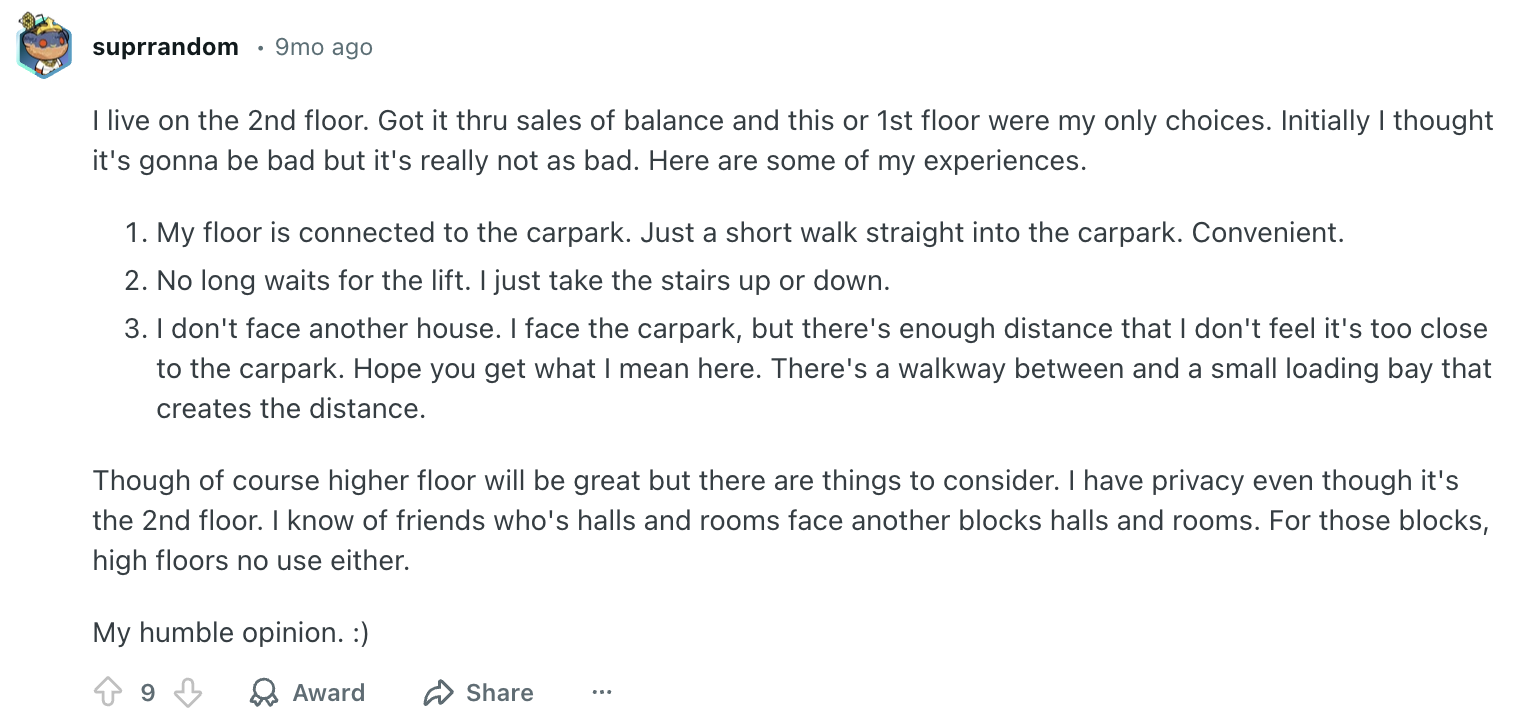
Image: Reddit
A Reddit user living on the second floor shared how having a direct connection to the carpark makes their daily routine easier: “just a short walk straight into the carpark”. They also noted that they didn’t have to face another house, and facing the carpark wasn’t an issue thanks to a walkway and loading bay providing enough distance for privacy.
This shows that it’s not only about being near amenities, but also about how the block is designed—buffer zones like walkways can reduce noise and improve privacy. On the flip side, being too close to certain amenities (like food centres or playgrounds) could mean more noise, smells, or foot traffic, while being too far could make simple tasks a hassle.
I suggest you pick your priority: convenience or privacy. If making daily life easier is your number one, a flat near amenities might be your best bet—even though it may come with more noise and foot traffic. If peace and quiet is your top priority, look for units set further back or with buffer zones, even if it means a slightly longer walk. Ultimately, there’s no perfect location, so focus on what best fits your lifestyle.
3. Sun and wind orientation
In Singapore, your flat’s orientation makes a much bigger difference than many people realise—especially with the country getting hotter each year. In 2025, Singapore saw 29 days of high heat stress, up from 21 days the year before, and temperatures peaked at 36.2°C. With the island warming at twice the global rate, how your home catches the sun and wind has never mattered more.
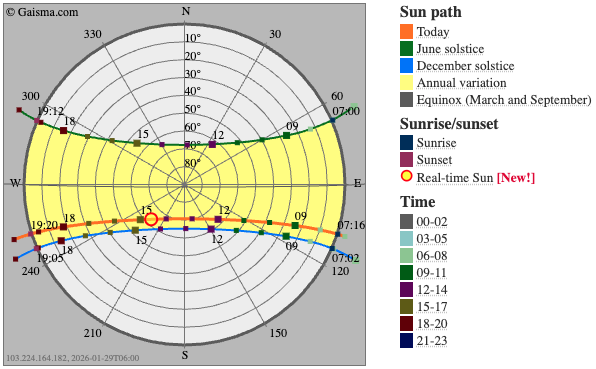
Image: Gaisma
Here’s what you should know about the sun in Singapore:
- From March to September, the afternoon sun shines from the north-west; from September to March, it’s from the south-west.
- The one constant: the west side always gets the most intense and prolonged afternoon heat. This means west-facing units are typically the hottest and brightest in the late afternoon.
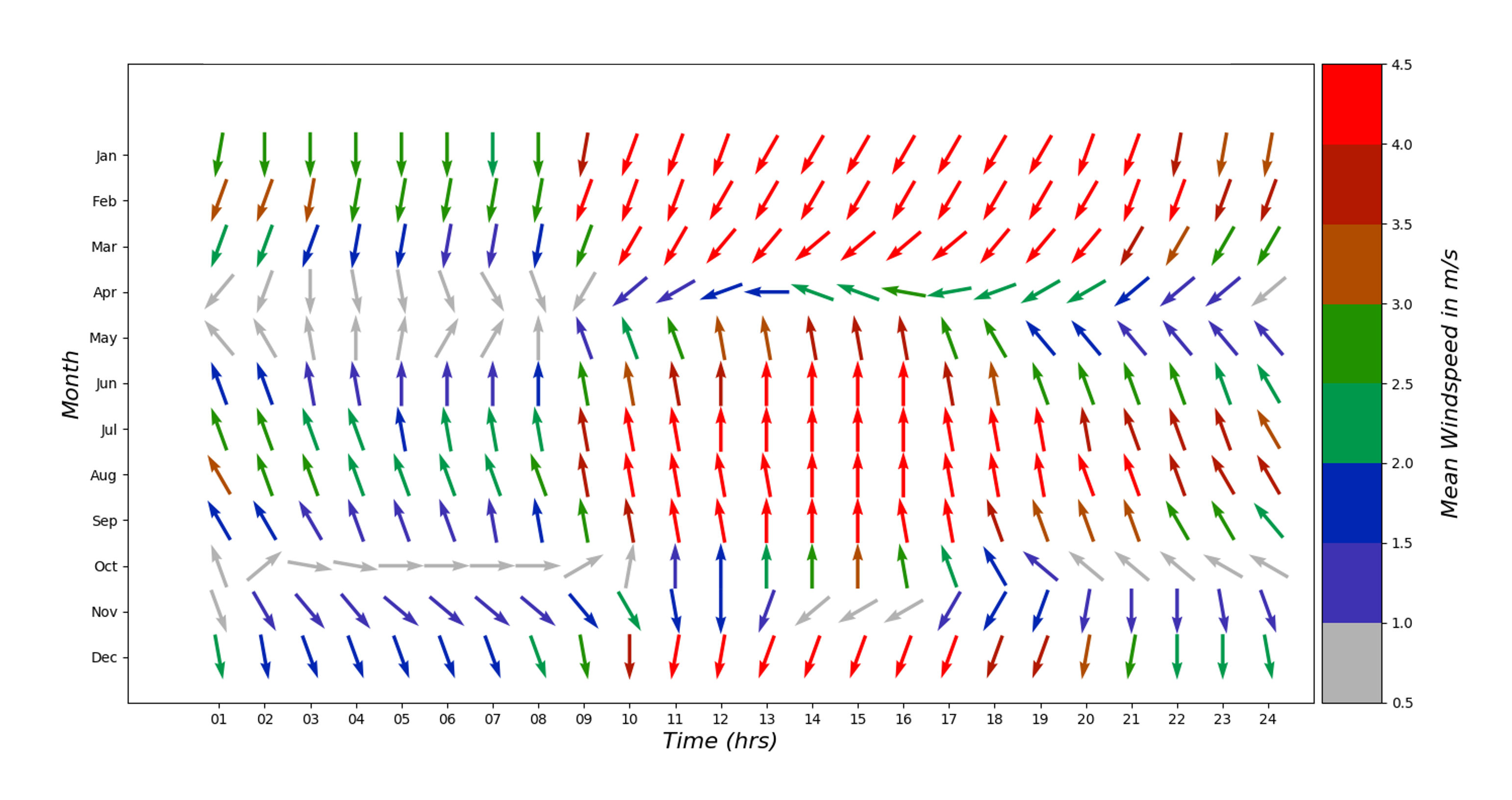
As for the wind in Singapore, here are the essential facts:
- Most winds come from the northeast (Dec–Mar, Northeast Monsoon) or from the south (Jun–Sep, Southwest Monsoon).
- Winds are strongest during the Northeast Monsoon; inter-monsoon periods bring light and variable winds.
For cooling and comfort, our goal is to minimise the afternoon sun and maximise wind for ventilation. Thus we arrive at this assessment of different unit orientations:
Orientation | Sun exposure | Wind exposure | Comfort assessment and recommendations |
North- or South-facing (best pick) | Little to no direct sun most of the day | Good natural breezes | Generally stays cool year-round with slight seasonal variations. Good for avoiding heat. |
East-facing | Morning sun; cooler in the afternoons | Moderate to good | Stays comfortable during hottest hours; great for most households. Bedrooms may get early morning light. |
West-facing (worst pick) | Strongest/hottest afternoon sun year-round | Moderate | Usually the hottest; avoid unless you enjoy sun or great sunsets. Expect higher cooling costs. |
Rule of thumb: go for North-South units for the coolest and breeziest units.
Be cautious about west-facing units unless you love the sun or are prepared for higher cooling costs. One of my colleagues here shared that she prefers the sun because it helps her dry her laundry, and no indoor drying solution can replace fresh, crisp laundry dried by the sun.
While North-South units are going to be cooler in general, consider also your flat’s layout. If the afternoon sun is going to hit your home office, you’re in for an uncomfortable work from home experience (or high air-conditioning costs to alleviate the heat).
You should also consider the unit height. The higher the unit, the less likely it is to be shaded by nearby buildings or trees, meaning more sun exposure. Top-floor units in particular will get the full front of the sun that is directly overhead—not fun.
Of course, if you love every aspect of a West-facing unit except its orientation, that need not be a non-negotiable. As my deskmate KC just told me, this is what air-conditioning was made for. So don’t sweat it (pun intended).
4. Corner unit vs corridor unit
Your unit’s position along the corridor affects privacy, noise, and even ventilation. Corner units typically offer:
- More privacy (fewer neighbours passing by your windows and door)
- Less corridor foot traffic
- Sometimes better natural ventilation due to extra windows or less obstruction
In contrast, corridor units may mean:
- More people walking past your door, leading to extra noise
- Less privacy, especially if your door faces another unit directly
Fire safety is a consideration too. As one homeowner on Reddit shared, they preferred a corridor unit over a corner unit with only one door to the corridor—having more exit points (via the bedroom or living room windows, or main door) provided peace of mind in case of fire. If safety is a top priority for you, consider how easily you and your family could exit in an emergency.
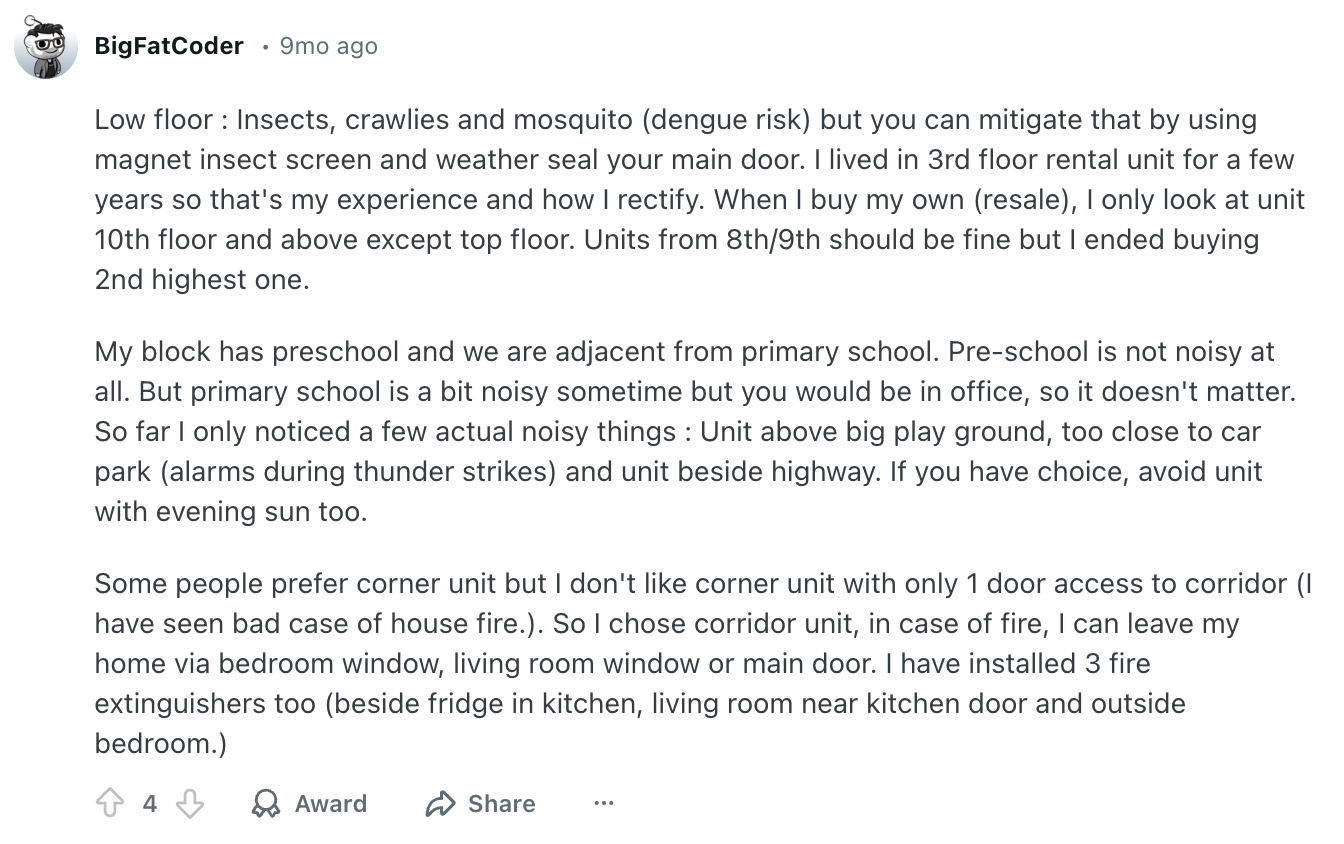
Image: Reddit
While this factor may not make or break your living experience, it’s a bonus if you can choose based on your own needs—especially if you value peace, privacy, or extra escape options.
You may want to avoid flats too close to the lift lobby, which often means more noise from people waiting, talking, or coming and going at all hours.
And about rubbish chutes—don’t worry too much. New BTOs now generally use the Pneumatic Waste Conveyance System (PWCS): waste is whisked away via vacuum-type underground pipes, so there’s no lingering smell or pests outside your unit. In most cases, rubbish chutes are no longer a major concern in modern estates.
5. Floor level
High floors are popular choices, but don’t assume they’re always superior. Here’s what buyers often expect—and what you should keep in mind:
Why people like high floors:
- Better views and less chance of being blocked by neighbouring buildings
- More breeze, especially if the block orientation catches the wind
- Extra privacy with fewer people passing by your windows
Trade-offs and realities:
- Lift dependence: Higher floors mean more time waiting for lifts, and greater inconvenience when lifts are crowded or under maintenance.
- Noise: Being high up doesn’t guarantee quiet—distant road or facility noise can travel upward, and wind can amplify sounds in unexpected ways.
- Higher price: The cost of each flat typically increases with every floor, but this premium doesn’t always translate to better appreciation or comfort.
- Top-floor risk: Top-floor units are more exposed to the elements. Over time, the waterproofing on the rooftop can degrade, making these units more prone to water leakages and costly repairs.
- Resale outlook: High floors may not always fetch the highest prices or strongest appreciation—data from Stacked showed that mid- and even low-floor units sometimes outperformed top floors in resale value, depending on estate and flat type.
If you ask me, you should treat floor level as a personal preference, not a must-have. Consider how much you truly value the perks, and whether they outweigh the potential downsides—or the price premium. Sometimes a mid-level unit offers the best balance of convenience, comfort, and cost.
Conclusion
Selecting a BTO unit is about more than chasing what’s popular or “premium.” Your best pick comes down to what matches your lifestyle, not someone else’s checklist.
Understand the restrictions and resale implications of your flat’s classification, weigh the real-world impact of amenities, sun and wind orientation, privacy, and floor level, and don’t overpay for features that won’t matter to you day-to-day. There’s no one-size-fits-all answer, only what works for your needs, budget, and long-term plans. Do your research thoroughly, and don't forget to enjoy the journey.
This article was first drafted with the help of AI and later reviewed and refined by the author.
Found this article helpful? Share it with anyone else applying for a flat!
Related Articles