
When it comes to managing your finances, the type of card you use can say a lot about your habits and priorities. One of my colleagues at MoneySmart, for example, doesn’t own a single credit card—he sticks to debit only, simply because he doesn’t like the idea of owing anyone, especially a bank.
On the other hand, one of my long-time friends takes the opposite approach: he keeps a meticulous spreadsheet of all his credit cards, tracks their benefits, and even calculates the best time to cancel and reapply for new cards just to score another round of welcome gifts. For him, credit cards (plural!) are essential.
The truth is, there’s a time and place for both credit and debit cards. Understanding the differences, benefits, and drawbacks can help you decide which one makes the most sense for your lifestyle. In this article, we compare credit cards and debit cards, break down their pros and cons, and share tips to help you make an informed choice.
[ms-toc title="Credit card vs debit card: which one should you use?"]
1. What is a credit card?
A credit card lets you borrow money from a bank or card issuer to pay for goods and services. Each month, you receive a bill for your spending, and you can pay the full amount or just part of it. If you don’t pay the full balance, interest is charged on the remaining amount.
Credit cards are widely accepted in Singapore and often come with perks like rewards points, cashback, or travel benefits.
2. What is a debit card?
A debit card is linked directly to your bank account. When you use it to make a purchase, the money is taken out of your account immediately—there’s no borrowing involved.
Debit cards are also accepted at most places in Singapore and can be used for online and in-person payments, as well as ATM withdrawals. They are a straightforward way to spend only what you have.
3. Key differences between credit cards and debit cards
While both credit and debit cards look almost identical and are accepted at most shops, they work in very different ways. The main difference is how you pay: credit cards let you spend borrowed money (with the option to pay later), while debit cards only let you spend money you already have in your bank account. This affects everything from your spending limits to how you manage your money and even the rewards or protections you get.
Here’s a quick overview of the key differences:
Feature | Credit card | Debit card |
Source of funds | Borrowed from bank (pay later) | Your bank account (pay now) |
Spending limit | Set by the bank (credit limit) | Up to your account balance |
Interest charged | Yes, if balance not paid in full | No |
Rewards and perks | Includes rewards / cashback / miles, and others like lifestyle deals or insurance | Some, but more limited |
Debt risk | Possible if not paid on time | No risk of debt |
Impact on credit score | Can build or harm your credit score | No effect on credit score |
Understanding these differences is key to figuring out which card fits your needs and spending habits best. To dive deeper, we will next talk about pros and cons of each card type.
4. Credit card vs debit card: Which comes out on top for each factor?
Instead of looking at credit and debit cards separately, it’s more useful to compare them side by side on the factors that matter most to everyday users. Below, we break down some of the most important considerations so you can quickly see which card comes out ahead in each category.
Factor | Credit card | Debit card | Why |
Budget control | Winner | Only lets you spend what you have in your bank account | |
Credit score impact | Winner | Helps you build or improve your credit history if used responsibly | |
Debt risk | Winner | No borrowing, so no risk of getting into debt | |
Fees | Winner | Typically has no annual fees or interest charges | |
Global acceptance | Winner | Widely accepted by hotels, car rentals, and online merchants via global networks like Mastercard, Visa, or Amex | |
Rewards | Winner | Offers points, miles, or cashback for spending | |
Security | Winner | Usually comes with extra protection for purchases and fraud; money is not drawn directly from your bank account |
When you look at these factors, you can see that neither card is always the “best”. The right choice depends on your spending habits and financial goals, and these are different for different people. Next, we’ll address who should use which card.
5. Who should use a credit card—and who should stick to debit?
Now that you know how credit and debit cards compare, it’s time to consider which card best fits your lifestyle and financial situation. I know it can feel a little abstract, so let’s try to make things more real for you. Here are some profiles that can help you identify which type of card might fit you best.
Credit card users
- The rewards maximiser: You love getting the most out of every dollar spent, whether it’s air miles, cashback, or exclusive perks. You’re disciplined about paying your bill in full every month and track promotions to maximise your benefits. If you’re timely with bills and love rewards, a credit card is right up your alley.
- The credit builder: You plan to take out a home loan or big-ticket financing in the future. By using a credit card responsibly, you’re building a positive credit history that will help with future approvals and better rates. If you need to build credit, get a credit card and pay all your bills on time.
- The globetrotter: You travel often and want to make every dollar spent overseas count. With the right miles card, you earn extra rewards for travel-related bookings, and your miles can go towards free flights—even business class upgrades. For example, the Citi PremierMiles Card earns up to 10 miles per dollar on Kaligo and 7 miles per dollar on Agoda bookings, while the UOB PRVI Miles Card offers up to 8 miles per dollar on Agoda and Expedia. Sure, a multi-currency card helps you avoid foreign transaction fees, but you’re more interested in racking up miles for your next getaway.
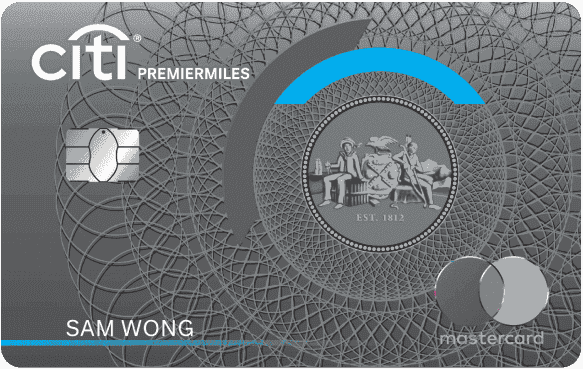
- Local Spend
- S$1 = 1.2 miles
- All Foreign Currency Spend including Retail and Online
- S$1 = Up to 2.2 miles
- Selected Online Hotel Bookings
- S$1 = Up to 10 miles
Get Upsized S$400 Cash Reward or 6,140 SmartPoints (worth up to S$499 of Gifts) when you charge a min. of S$500 within 30 days!
PLUS, win a S$15,000 Dream Holiday to your preferred destination! T&Cs apply.

- on agoda and Expedia bookings via UOB PRVI Miles website.
- S$1 = Up to 8 miles
- on Overseas Spend
- S$1 = Up to 3 miles
- on Local Spend
- S$1 = 1.4 miles
Debit card users
- The budget conscious: You prefer straightforward money management—spending only what’s in your account, with no risk of falling into debt or paying interest. You value simplicity over rewards.
- The beginner: You’re new to managing your own finances or just starting out with your first job. Debit cards help you develop good spending habits without the risks that come with borrowing.
- The no-fuss spender: You know credit cards come with rewards, but don’t care. Optimising rewards and tracking card perks are skippable because you just want a simple, reliable way to pay. You like knowing that every purchase comes straight from your own funds, with no bills to manage later.
If you identify with profiles from both camps, you might choose to use both credit and debit cards for different situations. For example, you could use your credit card for major purchases or travel, and your debit card for everyday expenses. That brings us to our final consideration—not who should use which card, but when to.
6. When to use a credit card and when to use a debit card
Between a credit card and debit card, you don’t have to pick one for life. It’s often about knowing which is the smarter option for different situations. Here’s when each card might serve you best.
When to use a credit card
- Large or planned purchases: If you know you can pay off the full amount each month, using a credit card can help you earn rewards or cashback on bigger buys like furniture or electronics. Unlimited cashback cards such as the Citi Cash Back+ Card and Standard Chartered Simply Cash Credit Card are particularly useful.

- Cash Back on Eligible Spend
- 1.6%
- Min. Spend per month
- S$0
- Cash Back Cap per month
- Unlimited
Get Upsized S$400 Cash Reward or 6,140 SmartPoints (worth up to S$499 of Gifts) when you charge a min. of S$500 within 30 days!
PLUS, win a S$15,000 Dream Holiday to your preferred destination! T&Cs apply.

- on eligible spends
- 1.5% Cashback
- Min Spend
- S$0
- Cashback Cap
- Unlimited
Get S$350 Cash via PayNow or earn 4,000 SmartPoints (worth up to S$469 of Gifts) when you spend min. S$800 in 30 days AND apply to any of the following SCB products through MoneySmart (Bonus$aver Account, CashOne Loan, EasyPay or Funds Transfer). T&Cs apply.

- Online shopping: Credit cards tend to offer stronger fraud protection and dispute resolution if something goes wrong with your purchase. For example, selected American Express credit cards come with 90-day purchase protection that reimburses or refunds you in the event of theft, damage or repair.
- Building credit: If you’re aiming to improve your credit score, regular responsible use of a credit card is one of the best ways to do so.
- Travel bookings: Hotels, car rentals, and flights often require a credit card, and you may get added travel insurance. For example, UOB offers complimentary travel insurance if you charge your full travel fare to cards such as the UOB One Card, UOB PRVI Miles, UOB EVOL Card and more.

- on Local Online, Mobile Contactless, Telco, Gym, Streaming spend
- 10% Cashback
- FX Fees on overseas FX spend worldwide, with no min spend, no cap
- 0%
- Min. Spend per month for 10% cashback
- S$800

- cashback on daily spend at McDonald's, Grab, SimplyGo & Shopee
- Up to 10%
- cashback at all grocery spend
- Up to 8%
- cashback cap a year
- Up to S$2,240
ALSO READ: Best Credit Cards With Complimentary Travel Insurance Coverage
When to use a debit card
- Everyday spending: For groceries, transport, or small daily expenses, using your debit card keeps you within your budget and avoids debt.
- Withdrawing cash: With some merchants, cash is still king. Debit cards are designed for ATM use, so you can access your funds instantly.
- Budgeting or limiting spending: If you’re prone to overspending or just want to keep your finances simple, debit cards help you spend only what you have and manage your budget.
- If you’re managing multiple accounts: Debit cards make it easy to access and monitor money across different savings or spending accounts.
Ultimately, using each card in the right context helps you balance rewards and convenience with financial discipline and peace of mind.
ALSO READ: The Best Debit Cards in Singapore
7. Which one is better for you?
We’ve gone through key differences between credit and debit cards, who should use each, and when to use each. Here’s a summary of who might benefit most and when from each option:
Profile | Best choice | Why |
Student | Debit card | Controls spending, avoids debt, and is accessible for youths not earning any income yet |
Working adult | Credit card or debit card | Credit cards offer rewards and build credit; debit cards keep things simple and debt-free |
Frequent traveller | Credit card | Earns more rewards or miles on overseas spending, offers extra protection and global acceptance |
Rewards hunter | Credit card | Maximises cashback, miles, or perks with much better reward rates than that for debit cards |
Budget-first spender | Debit card | Prioritises simplicity and avoiding debt—spends only what’s available in the account |
Decision checklist
Before deciding, ask yourself:
- Do I pay my bills in full every month, or do I sometimes carry a balance?
- Am I looking for rewards and perks, or do I want to keep things as straightforward as possible?
- Am I confident I can manage my spending, or do I need built-in safeguards against debt?
- Will I use the card mainly for local expenses, or do I need it for travel and online purchases?
- Do I want to build my credit score for future financial goals?
If you’re unsure, remember you can start with a debit card for the basics, then add a credit card as your confidence and needs grow. The best card is the one that matches your lifestyle today—and you can always switch things up as your situation changes.
This article was first drafted with the help of AI and later reviewed and refined by the author.
Related Articles